
Get In Touch
Call Us Today!Green Pool: Causes, Treatment, and Prevention Guide for Homeowners
Nothing ruins a pool party faster than discovering your crystal clear water has turned into a green swamp overnight. As a pool owner, dealing with green pool water ranks among the most frustrating maintenance challenges you’ll face. Whether you’re staring at a light green tint that appeared after yesterday’s thunderstorm or confronting a dark, murky mess that resembles a pond more than a swimming pool, understanding the causes and solutions is essential for getting your pool back to pristine condition.
This comprehensive guide will walk you through everything you need to know about green pool water, from identifying the root causes to implementing effective treatment protocols and establishing prevention strategies that keep your pool crystal clear year-round. You’ll discover why pools turn green, learn step-by-step treatment methods, and master the prevention techniques that successful pool owners use to avoid these problems entirely.
What Causes a Green Pool?
Understanding why your swimming pool turns green is the first step toward effective treatment and prevention. While the sight of green pool water can be alarming, the underlying causes are well-understood and manageable with the right approach. Pool water turning green is often the result of algae growth, which can occur due to improper maintenance or environmental factors such as rising temperatures.
Algae Growth: The Primary Culprit
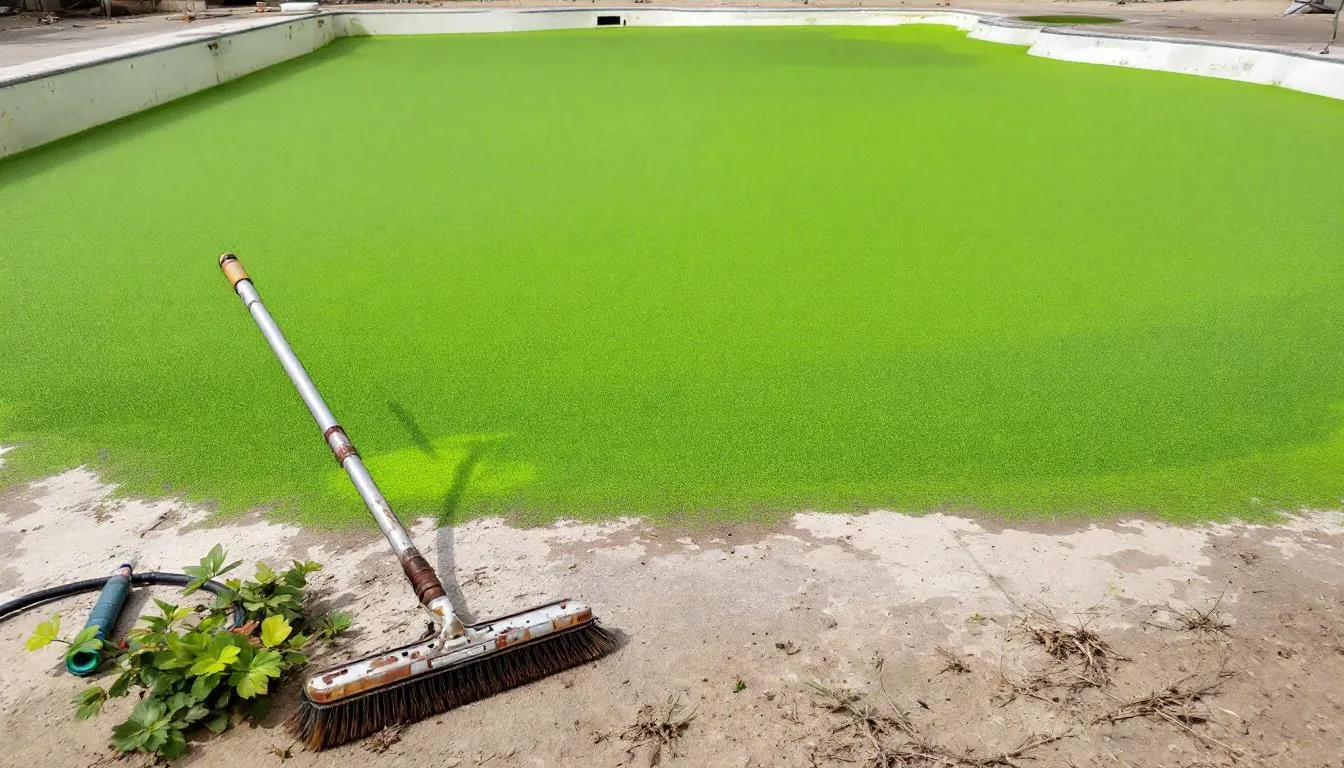
Algae growth is the primary cause of green pool water discoloration in most cases. Green algae thrives in warm, stagnant water with insufficient filtration or sanitization, transforming your pool into an unsightly green mess within hours under the right conditions. These microscopic organisms multiply rapidly when your pool’s chemical balance falters, particularly when free chlorine levels drop below the optimal range.
Low chlorine levels allow algae to multiply rapidly in pool water, creating the perfect breeding ground for these unwanted organisms. Pool algae requires specific conditions to flourish: warm temperatures, sunlight, nutrients, and most importantly, inadequate sanitization. When your free chlorine level falls below 1-3 ppm, you’re essentially rolling out the welcome mat for green algae growth. To restore clear water and prevent future outbreaks, effective treatment must target all the algae in the pool to ensure complete removal and prevent recurrence.
Circulation and Filtration Issues
Poor water circulation creates stagnant areas where algae thrives, even when your pool chemicals are properly balanced. Dead zones behind pool equipment, in corners, or around steps become algae breeding grounds when water doesn’t circulate effectively. Your filtration system plays a crucial role in preventing algae blooms by physically removing spores, filtering out contaminants, and maintaining water clarity.
A clogged or malfunctioning pool filter allows algae spores to remain in the water, where they can establish colonies and multiply. Sand filters, cartridge filters, and other filtration systems must operate at peak efficiency to prevent green water conditions. Scheduled maintenance of your filtration system, including keeping a clean filter, is just as important as maintaining proper chemical levels.
Chemical Imbalances and Water Chemistry
Neglected pool maintenance leads to chemical imbalances that create ideal conditions for algae blooms. High pH levels above 7.8 significantly reduce chlorine’s effectiveness, while improper alkalinity levels can cause pH fluctuations that stress your sanitization system. Regularly testing and adjusting both pH and alkalinity levels is essential for maintaining optimal water quality.
Over-stabilization with cyanuric acid can also lock up your chlorine, making it ineffective against algae even when total chlorine readings appear adequate. High levels of substances like iron or copper can further contribute to water quality issues, so it’s important to monitor and balance these regularly.
Adding baking soda is a common method to raise alkalinity and pH, but it has limited effectiveness in clearing green or algae-infested pools.
Metal Contamination
Copper ions from corroded equipment can also turn water green, creating a different type of discoloration that’s often mistaken for algae. When copper dissolves into pool water from pipes, heat exchangers, or pool equipment, it can oxidize during shock treatment and create a distinctive greenish hue. This type of green water typically appears clear rather than cloudy, distinguishing it from algae-related problems.
Environmental Factors That Trigger Green Pool Water
Environmental conditions play a significant role in triggering green pool water problems, often overwhelming even well-maintained pools during challenging periods.
Temperature and Weather Conditions
Heat waves raising water temperature above 85°F promote algae blooms by accelerating algae metabolism and reproduction. High temperatures create ideal growing conditions where algae can double in population every few hours, turning your pool green overnight during summer heat spells.
Thunderstorms introducing phosphates and organic debris compound the problem by diluting chlorine concentrations while simultaneously providing nutrients for algae growth. Heavy rainfall can reduce your free chlorine level by 50% or more while washing in contaminants that feed algae populations.
Seasonal Challenges
Pollen during spring months feeding algae growth creates a double challenge for pool owners. Not only does pollen directly tint the water with a yellowish-green color, but it also serves as a food source for algae, accelerating bloom development. Spring pollen loads can overwhelm even well-maintained pools, requiring increased vigilance and more frequent testing.
Sunlight exposure without adequate chlorine protection breaks down sanitizer through photolysis, reducing your pool’s ability to resist algae growth. UV rays can eliminate unprotected chlorine within hours, leaving your pool vulnerable to rapid algae colonization.
Organic Contamination
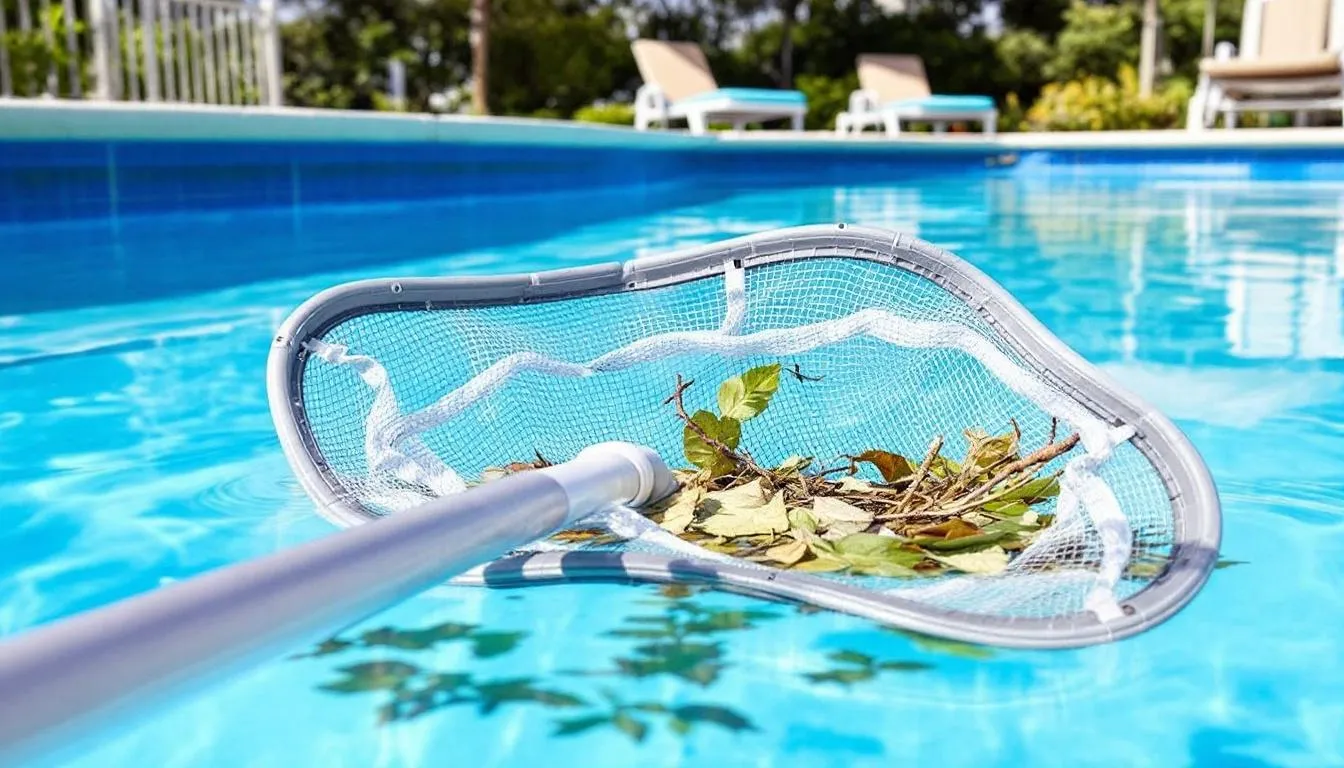
Wind-blown leaves and organic matter decomposing in water introduce nutrients that fuel algae blooms while consuming available chlorine. Organic debris creates a perfect storm: it uses up sanitizer while providing food for algae growth. Pool covers can help minimize this contamination, but proper removal of debris remains essential.
Types of Green Pool Water Problems
Not all green pool water problems are created equal. Understanding the different types of green water conditions helps you choose the most effective treatment approach and set realistic expectations for recovery time.
Black algae is a particularly stubborn type of algae that may require additional physical and chemical treatment beyond standard protocols.
Early-Stage Algae Formation
Light green and cloudy indicates early algae formation that responds quickly to proper treatment. This stage represents the easiest and fastest type of green pool problem to resolve, typically clearing within 24-48 hours with appropriate shock treatment and maintenance.
Water at this stage often retains some transparency, and you can usually see the bottom of the pool, though visibility is reduced. The light green tint signals that algae populations are still manageable and haven’t established strong biofilm colonies on pool surfaces.
Advanced Algae Blooms
Dark green and murky shows advanced algae bloom requiring intensive treatment over several days. At this stage, algae has established significant biomass throughout the water column, creating the thick, opaque appearance that blocks visibility completely.
Green pool water at this severity level often accompanies slimy surfaces and may emit unpleasant odors. The pool’s surfaces become slippery, and you cannot see the main drain from the deck. This condition requires multiple treatment cycles and continuous filtration to resolve.
Metal-Related Discoloration
Green tint with clear water suggests copper oxidation or pollen rather than algae growth. This type of green water maintains clarity while displaying a distinctive metallic green color that differs from the cloudy appearance of algae blooms.
Metal-related green water often appears suddenly after shock treatment or when pH levels spike, causing dissolved copper to precipitate out of solution. This condition requires metal sequestrants rather than traditional algae treatment methods.
Surface Growth and Biofilm
Green pool with visible algae growth on walls and floor indicates established biofilm formation that resists standard chemical treatment. Slimy green surfaces indicating biofilm formation protect underlying algae colonies from sanitizer contact, making them particularly challenging to eliminate.
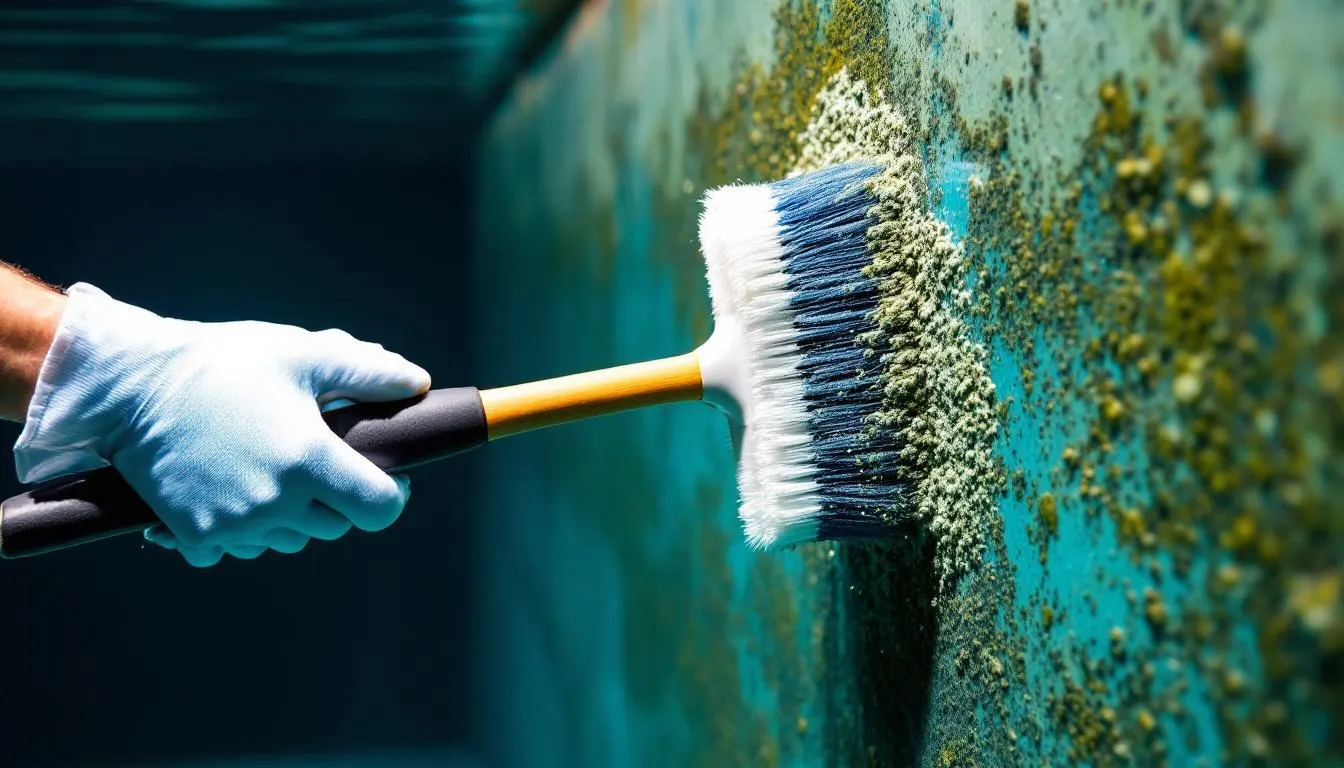
Biofilm formation typically occurs in areas with poor circulation or on surfaces that don’t receive adequate brushing. Pool brush action becomes critical for breaking up these protective layers and exposing algae to killing algae chemicals.
Step-by-Step Green Pool Treatment Process
Effective green pool treatment requires a systematic approach that addresses both the immediate algae problem and the underlying conditions that allowed it to develop. The primary goal of treatment is to kill algae using chemical shock, especially chlorine, to restore water clarity. Following this detailed protocol will restore your pool to swimmable condition as quickly and safely as possible.
Initial Assessment and Testing
Test and balance pH to 7.2-7.6 and alkalinity to 80-120 ppm before treatment begins. Proper water chemistry is essential because sanitizers lose effectiveness in unbalanced water. Use a reliable test kit to measure current levels and calculate the adjustments needed.
Testing your pool’s alkalinity and pH levels determines how much muriatic acid or other pH adjusters you’ll need. Calcium hardness should also be checked, as extremely soft or hard water can interfere with treatment effectiveness and equipment operation.
Physical Cleaning and Preparation
Brush all pool surfaces vigorously to break up algae colonies and expose them to chemical treatment. Pay special attention to areas behind ladders, around returns, and in corners where circulation is limited. Breaking up biofilm and attached algae is crucial for effective treatment.
Vacuuming debris and algae using the waste setting is essential to bypass the filter and prevent clogging your filtration system with dead algae. Running the vacuum to waste removes organic matter without forcing it through your pool filter, which could overwhelm the system during treatment.
Shock Treatment Protocol
Shock pool with sodium hypochlorite at a triple dose to achieve the free chlorine levels needed for killing algae effectively. For severe green water conditions, this typically means 1-3 jugs of chlorine per 10,000 gallons of water.
Apply shock treatment during evening hours for maximum effectiveness, as sunlight rapidly breaks down chlorine through UV degradation. Evening application allows the chlorine to work overnight when UV exposure is minimal, maximizing contact time with algae. Alternatively, granular chlorine can be used instead of liquid; it is highly effective against algae and dissolves quickly throughout the pool.
Chemical Dosing Guidelines for Green Pool Treatment
Calculate shock requirements: 1-3 jugs per 10,000 gallons for severe algae infestations, adjusting based on your pool’s specific volume and contamination level. Using non-stabilized chlorine shock is best for faster algae kill rates, as stabilized products work more slowly and can contribute to cyanuric acid buildup.
While baking soda can help raise alkalinity and pH levels in your pool, it does not kill algae or clear green water. The idea of “baking soda clear” is a misconception—baking soda does not eliminate algae, but it can help maintain balanced water chemistry.
Maintain free chlorine at 10+ ppm during active treatment to ensure complete algae destruction. This level far exceeds normal swimming ranges but is necessary for overwhelming established algae populations and biofilm.
Add a pool clarifier or flocculant to help remove dead algae particles that cloud the water after successful treatment. These products coagulate microscopic debris, making it easier for your filtration system to capture and remove dead algae.
Filtration and Circulation
Run the pool filter system continuously for 24-48 hours after shocking to maintain chemical distribution and remove dead algae from the water. It is important to run the pool during this period to clear out contaminants and ensure the water stays clean. Continuous circulation ensures that treated water reaches all areas of the pool while preventing new stagnant zones where algae could reestablish.
Backwash sand filters or clean cartridge filter elements frequently during treatment, as dead algae will quickly clog filtration media. You may need to clean filters multiple times per day during active treatment to maintain proper flow rates.
Troubleshooting Persistent Green Water
When standard treatment protocols fail to clear green pool water, additional diagnostic steps and specialized treatments may be necessary to identify and address underlying issues. If the water continues to remain green after initial treatments, repeated cleaning and chemical adjustments may be required until the pool is clear and safe for swimming.
Metal Contamination Testing
Test for copper levels using metal test kit if chlorine levels are adequate but water remains green. Copper contamination requires metal sequestrants rather than additional chlorine, and continued shocking can actually worsen copper-related green water by oxidizing more dissolved metals.
Metal test strips or professional water analysis can identify copper, iron, and other metals that contribute to discoloration. If metals are present, use metal sequestrants before resuming chlorine treatment to prevent further oxidation and staining.
Equipment and Circulation Issues
Check filter condition and clean or replace cartridges if clogged, as inadequate filtration will allow dead algae and debris to remain suspended in the water. Undersized or failing filtration systems cannot handle the increased load during green water treatment.
Verify pump circulation and repair any equipment malfunctions that create dead zones or reduce water movement. Poor circulation allows algae to reestablish even during active treatment, prolonging the clearing process indefinitely.
Water Quality Problems
Re-test water chemistry after 24 hours of continuous filtration to identify any remaining imbalances that could interfere with treatment effectiveness. Sometimes initial test results don’t reveal all water quality issues, particularly when algae blooms have consumed available chemicals.
If algae keeps returning despite proper chemical maintenance, consider using a phosphate remover to help remove phosphates from the water. High phosphate levels provide nutrients that fuel rapid algae regrowth, so using a phosphate remover to remove phosphates can make long-term prevention easier.
Extreme Contamination Solutions
Partial drain and refill can also address high cyanuric acid levels that prevent chlorine from working effectively. When CYA exceeds 80 ppm, removing and replacing a portion of the pool water often proves more practical than attempting to work around the chemistry limitations.
Swimming Safety in Green Pool Water
Understanding when it’s safe to swim in treated pool water is crucial for protecting the health of pool users while avoiding unnecessary delays in pool reopening. Always ensure the water is clean and properly balanced before allowing anyone to swim, as keeping the water clean is essential for safety and preventing health risks.
Risk Assessment Guidelines
Never swim in dark green, cloudy water due to bacteria and pathogen risks that often accompany severe algae blooms. The CDC recommends that pool users should always be able to see the main drain from the pool deck before entering the water.
Light green tint with normal chlorine (1-3 ppm) may be safe for swimming if water testing confirms adequate sanitization. However, even minor discoloration can indicate residual contamination that poses health risks to sensitive individuals.
Health Considerations
Test for bacteria using pool test strips before allowing swimmers if there’s any question about water safety. Algae blooms often harbor harmful bacteria and parasites that persist even after visible algae is eliminated.
Ensure main drain is visible from pool deck before reopening the pool to swimmers. Visibility serves as a practical safety indicator, ensuring that swimmers can see potential hazards and that water clarity meets accepted safety standards.
Post-Treatment Protocols
Wait 24 hours after final shock treatment before swimming to allow chlorine levels to drop to safe ranges and ensure complete pathogen elimination. Swimming in water with excessive chlorine levels, 10+ ppm, can cause skin, eye, and respiratory irritation.
Test water quality one final time before reopening, confirming that free chlorine levels are between 2-7 ppm and pH is balanced between 7.2-7.6. This final check ensures that your pool water meets safety standards for recreational use.
Treatment Timeline and Expectations
Setting realistic expectations for green pool recovery helps pool owners plan appropriately and avoid frustration during the treatment process.
Mild Contamination Recovery
Mild green pools typically clear within 24-48 hours with proper treatment and continuous filtration. Light green water with early-stage algae responds quickly to shock treatment, often showing dramatic improvement overnight.
During this period, you’ll notice the water transitioning from green to cloudy white or gray as dead algae settles. This cloudy phase is normal and indicates that treatment is working effectively.
Severe Contamination Timeline
Severe algae blooms may require 4-7 days of continuous treatment, including multiple shock applications and intensive mechanical cleaning. Dark, murky green water contains established algae populations that require sustained chemical attack to eliminate completely.
Daily brushing and testing accelerates the clearing process by disrupting biofilm and ensuring optimal chemical levels throughout treatment. Patience during this phase is essential, as rushing the process often leads to incomplete treatment and rapid recontamination.
Progress Indicators
Water clarity improves gradually from green to blue over treatment period, with dead algae settling to the pool bottom as white or gray powder. This sediment should be vacuumed to waste to prevent it from decomposing and creating additional contamination.
Monitor free chlorine levels daily during treatment, as algae consumption and UV degradation can rapidly deplete sanitizer levels. Maintaining adequate chlorine throughout the treatment period is essential for complete algae elimination.
Prevention Strategies for Green Pool Water
Preventing green pool water is far more cost-effective and less time-consuming than treating established algae blooms. Keeping your pool clean by ensuring proper water circulation and maintaining the right chemical balance is essential to prevent algae growth. A comprehensive prevention strategy addresses chemical maintenance, physical cleaning, and equipment operation.
Chemical Maintenance Routine
Maintain free chlorine levels between 2-7 ppm year-round through regular testing and adjustment. Weekly water testing during swimming season helps identify problems before they become serious, while off season monitoring prevents winter algae development.
Test water chemistry weekly during swimming season using a reliable test kit that measures pH, alkalinity, and sanitizer levels accurately. Consistent monitoring allows you to catch and correct imbalances before they create conditions favorable for algae growth.
Physical Pool Care
Brush pool walls and floor twice weekly to prevent algae attachment and biofilm formation on pool’s surfaces. Regular brushing disrupts algae spores before they can establish colonies, making chemical treatment more effective.
Use proper pool cover when pool is not in use to reduce sunlight exposure, prevent debris contamination, and minimize chemical loss through evaporation. Pool covers also reduce heating costs and water loss while protecting against environmental contamination.
Equipment and Circulation Management
Run circulation pump 8-24 hours daily during summer months to prevent stagnant water conditions where algae can establish. Adequate circulation ensures even chemical distribution while preventing the development of dead zones.
Clean pool filter as needed based upon the filter pressure gauge and replace cartridges every 1-2 years to maintain optimal filtration efficiency. Clogged filters reduce flow rates and allow algae spores to remain in the water where they can multiply.
Seasonal Adjustments
Monitor pool extra closely during heat waves, after storms, and during high-use periods when algae risk increases significantly. These stress periods often require daily testing and immediate corrective action to prevent problems.
Regular Maintenance Routine
Establish a consistent pool care routine that includes testing, cleaning, and equipment maintenance on a regular schedule. Consistency in maintenance prevents most algae problems while reducing the overall time and cost of pool ownership.
Keep detailed records of chemical additions, test results, and maintenance activities to identify patterns and optimize your prevention strategy. This data helps you anticipate problems and adjust your routine for better results.
When to Call Professional Pool Services
Recognizing when to seek professional help can save time, money, and frustration while ensuring safe and effective treatment of persistent green pool problems.
Treatment Failure Indicators
Persistent green water after multiple shock treatments indicates underlying problems that may require professional diagnosis and specialized equipment. When standard protocols fail repeatedly, professional pool pros can identify issues that homeowners might miss.
Equipment malfunctions affecting circulation or filtration often require professional repair or replacement to restore normal pool operation. Attempting to treat green water with faulty equipment typically proves ineffective and wasteful.
Chemical and Safety Concerns
Chemical imbalances that cannot be corrected with standard adjustments may indicate complex water chemistry issues requiring professional analysis and treatment. Total dissolved solids, metal contamination, phosphates and extreme pH conditions often exceed DIY capabilities.
Structural issues like cracked pipes or damaged and deteriorating pool surfaces can contribute to ongoing contamination while presenting safety hazards that require professional attention. These problems won’t resolve with chemical treatment alone.
Time and Expertise Considerations
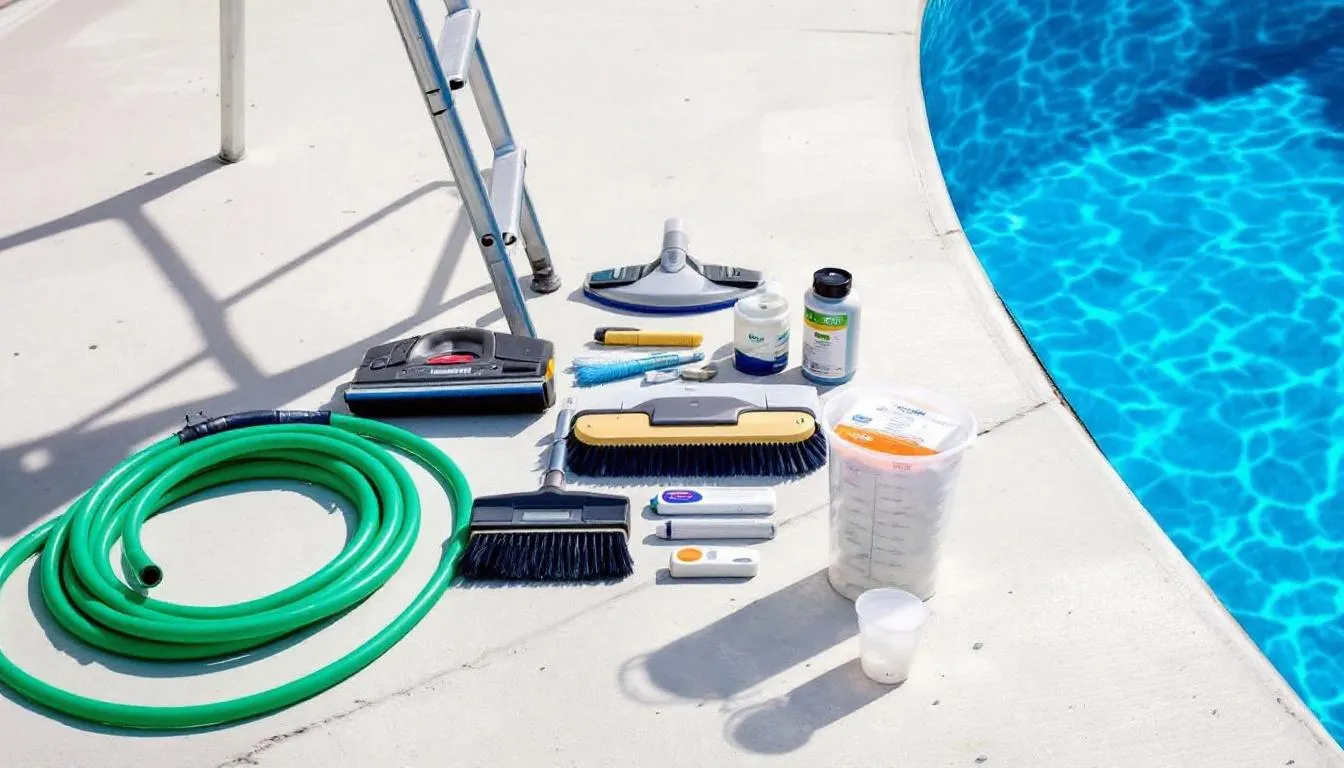
Time constraints requiring immediate pool restoration for events or seasonal opening often justify professional intervention for faster, more reliable results. Pool professionals have access to commercial-grade equipment and chemicals that work more quickly than residential products.
Lack of confidence in handling pool chemicals safely makes professional service a wise investment, as mishandling chlorine, muriatic acid, or other pool chemicals presents serious health and safety risks.
Cost-Benefit Analysis
Consider professional help when repeated DIY attempts create additional cost without results, as professional treatment often proves more economical than extended chemical warfare against persistent algae problems.
Professional services also provide warranties and follow-up support that ensure lasting results, while DIY treatment failures can lead to ongoing problems and additional expense.
Green pool water challenges every pool owner at some point, but understanding the causes, treatment options, and prevention strategies transforms this frustrating problem into a manageable maintenance issue. Whether you’re dealing with a light green tint from yesterday’s storm or confronting a swamp-like disaster that threatens your upcoming pool party, the systematic approach outlined in this guide provides the roadmap to crystal clear water.
Remember that prevention through regular maintenance routine, proper chemical balance, and consistent monitoring remains far more effective than emergency treatment of established algae blooms. By maintaining free chlorine levels, ensuring adequate circulation, and staying vigilant during high-risk periods, you can avoid most green water problems entirely.
When green water does occur, quick action using the step-by-step treatment process will restore your swimming pool to safe, clear conditions as rapidly as possible. Don’t let green pool water keep you out of your pool this season – with the right knowledge and approach, you’ll be back to enjoying crystal clear water in no time.