
What is Swimming Pool Alkalinity: Your Complete Guide to Perfect Pool Chemistry
Swimming pool alkalinity might sound like scientific mumbo jumbo, but understanding this crucial water balance factor can save you time, money, and frustration. If you’ve ever struggled with cloudy swimming pool water, erratic pH levels, or equipment problems despite your best maintenance efforts, improper alkalinity levels could be the culprit. Acidity also plays a significant role in water balance—high acidity can lead to corrosion and equipment damage, while the relationship between acidity and alkalinity is key to maintaining stable pool water conditions.
Swimming pool alkalinity serves as your pool water’s chemical bodyguard, protecting against rapid pH swings and maintaining the delicate balance—including the pH level—that keeps your swimming pool safe, comfortable, and crystal clear. Whether you’re a new pool owner learning the ropes or an experienced pool owner facing persistent chemistry challenges, mastering alkalinity is essential for proper pool maintenance.
In this comprehensive guide, you’ll discover exactly what pool alkalinity is, why it matters more than you might think, and how to maintain perfect alkalinity levels year-round. We’ll cover everything from testing and adjustment techniques to troubleshooting common problems, giving you the knowledge and confidence to keep your swimming pool in optimal condition.
Introduction to Pool Alkalinity
Pool alkalinity, otherwise known as total alkalinity, is one of the most important factors in maintaining a healthy and enjoyable swimming pool. It represents the concentration of alkaline substances in your pool water, which work together to keep pH levels stable and prevent sudden changes that can lead to discomfort or damage. When you hear about pool alkalinity, think of it as the invisible force that helps your pool resist the ups and downs of chemical changes, making swimming pools safer and easier to manage.
Understanding pool alkalinity is essential for every pool owner, whether you’re just starting out or have years of experience. Proper alkalinity levels help ensure that your pool water remains clear, comfortable, and free from issues like scaling or corrosion. One of the most common ways to maintain optimal total alkalinity is by using sodium bicarbonate, also known as baking soda. This simple, effective chemical helps keep your pool’s alkalinity in the ideal range, supporting overall water balance and making pool maintenance much more manageable.
By learning how to monitor and adjust your pool’s alkalinity, you’ll be better equipped to handle the challenges of pool ownership and enjoy a sparkling, inviting swimming pool all season long.
Definition of Swimming Pool Alkalinity
Swimming pool alkalinity, technically known as total alkalinity, measures the concentration of alkaline substances in your pool water. These alkaline substances primarily include bicarbonates, carbonates, and hydroxides that work together to create a chemical buffer system. Total alkalinity is measured in parts per million (ppm) and represents your pool water’s ability to resist changes in pH levels by maintaining proper alkaline levels, which indicate the pool’s buffering capacity.
Think of alkalinity as your pool’s chemical shock absorber. When acids enter your swimming pool through rain, debris, or chemical additions, they increase the water’s acidity, which can disrupt water balance. Alkaline substances in the water neutralize these acids before they can dramatically alter your pool’s pH balance. This buffering capacity is what distinguishes alkalinity from pH itself.
While pH measures how acidic or basic your pool water is at any given moment on the ph scale from 0 to 14, alkalinity measures the water’s reserve capacity to maintain stable ph levels. A swimming pool can have acceptable pH readings but still suffer from poor alkalinity levels, leading to instability that becomes apparent only when the system faces chemical stress.
The scientific mechanism behind pool alkalinity involves bicarbonate and carbonate ions acting as proton acceptors. When your pool water encounters acids, these alkaline substances absorb hydrogen ions, preventing sharp drops in pH that could damage pool surfaces and equipment. Conversely, if conditions become too basic, the same buffer system can release protons to resist pH spikes.
This chemical buffering system operates most effectively in the typical swimming pool pH range of 7.2 to 7.8, where bicarbonate ions dominate the alkalinity profile. Regularly testing and adjusting your pool’s alkalinity level is essential to ensure water chemistry remains balanced and stable. Understanding this relationship helps explain why proper alkalinity management is fundamental to maintaining overall pool chemistry balance.
Ideal Pool Alkalinity Levels and Ranges
The recommended range for swimming pool total alkalinity is 80-120 ppm for most residential pools, though some industry experts accept levels between 60-180 ppm depending on specific circumstances and surface types. This normal range provides adequate buffering capacity without creating the problems associated with excessively high alkalinity levels. If your pool water has low or high alkalinity, you may experience issues such as pH instability, scaling, or corrosion, which can affect water quality and pool maintenance.
Different pool types may require slight variations in their ideal range. Concrete and gunite pools often perform better with alkalinity levels toward the higher end of the spectrum, around 100-150 ppm, due to the alkaline nature of these surfaces. Vinyl and fiberglass pools typically maintain better balance in the 80-120 ppm range.
Saltwater pools and those using alternative sanitizers may also have different optimal ranges. Salt chlorine generators tend to gradually raise pH over time, so these pools often benefit from starting with alkalinity levels in the lower portion of the recommended range. Hot tubs and spas, with their higher water temperatures and increased bather loads, generally require alkalinity levels between 80-120 ppm with more frequent monitoring.
The type of sanitizer system you use also influences your ideal alkalinity range. Pools using trichlor chlorine tablets benefit from higher alkalinity to buffer against the acidic nature of stabilized chlorine.
For most pool owners, targeting 100 ppm provides an excellent starting point that offers strong buffering capacity while remaining easy to maintain. Regularly testing and adjusting your pool’s alkalinity is essential to keep it within the ideal range, ensuring sufficient protection against pH bounce while staying well below the threshold where scaling and cloudiness become concerns.
Why Pool Alkalinity Matters
Proper pool alkalinity serves as the foundation of effective water chemistry management, providing essential protection for both your swimming pool and its users. The primary function of alkalinity is preventing pH bounce, where rapid pH swings make consistent chemical balance nearly impossible to maintain.
When your pool’s alkalinity falls outside the ideal range, chlorine effectiveness diminishes significantly. Chlorine works most efficiently within a narrow pH band, and unstable pH levels caused by low alkalinity can reduce sanitizer effectiveness by 50% or more. This means you’ll use more chemicals while achieving less effective disinfection.
Pool equipment protection represents another critical benefit of proper alkalinity maintenance. Low alkalinity creates corrosive water conditions that can damage pumps, heaters, filters, and metal components throughout your circulation system. Low alkalinity often results in low pH, which increases the risk of equipment corrosion and shortens the lifespan of your pool infrastructure. The cost of replacing corroded equipment far exceeds the minimal expense of maintaining proper alkalinity levels.
Pool surfaces also depend on balanced alkalinity for protection. Low alkalinity can cause etching of plaster, concrete, and stone surfaces, creating rough, pitted areas that harbor bacteria and algae. Increased acidity due to low alkalinity can also lead to swimmer discomfort and further damage to pool surfaces. High alkalinity leads to scale formation that creates unsightly deposits and can clog circulation systems.
Swimmer comfort improves dramatically when alkalinity levels remain within the recommended range. Properly buffered water reduces eye irritation, skin dryness, and the harsh chemical odors often associated with poorly balanced pools. Many pool owners discover that addressing alkalinity issues resolves persistent comfort problems they attributed to other factors.
Water clarity also benefits from proper alkalinity maintenance. Extreme alkalinity levels contribute to cloudy water that resists clarification despite adequate filtration and sanitization. When adjusting alkalinity, be cautious not to add too much acid, as this can lower pH excessively and make the water corrosive. Maintaining alkalinity within the normal range helps ensure your pool water remains crystal clear and inviting.
Causes of Imbalance
Several factors can cause your swimming pool’s alkalinity levels to drift out of the recommended range. One common cause is changes in your water source—adding fresh water after heavy use, backwashing, or topping off due to evaporation can all impact pool alkalinity. Environmental influences, such as rain, wind-blown debris, and even local air quality, can introduce acids or other substances that disrupt the balance of your pool water.
Improper chemical dosing is another frequent culprit. Adding too much or too little sodium bicarbonate when trying to raise alkalinity, or overusing muriatic acid to lower it, can quickly push your pool’s chemistry out of balance. These chemicals are powerful tools for adjusting alkalinity, but they must be used carefully to avoid overcorrection, which can lead to a cycle of constant adjustments and further instability.
Problems Caused by Unbalanced Alkalinity
Understanding the specific problems caused by incorrect alkalinity levels helps pool owners recognize when adjustments are necessary and why proper maintenance matters. Issues can arise from low or high alkalinity, each leading to different water quality and maintenance challenges. Both high and low alkalinity create distinct challenges that can seriously impact your swimming pool’s condition and your maintenance costs.
The severity of alkalinity-related problems often depends on how far levels deviate from the ideal range and how long they remain unbalanced. Minor fluctuations may cause subtle issues, while extreme imbalances can create serious damage requiring expensive repairs.
Low Alkalinity Problems (Below 80 ppm)
Low alkalinity creates a condition known as pH bounce, where your pool’s pH levels swing dramatically with minimal chemical additions or environmental changes. You might add acid to lower pH only to find it has dropped far more than expected, then require large amounts of soda ash to bring it back up. Low alkalinity can also result in low pH, which increases the risk of equipment damage and swimmer discomfort.
This pH instability makes proper chlorine management nearly impossible. Since chlorine effectiveness depends heavily on stable ph levels, pH bounce reduces sanitizer efficiency and increases chemical consumption. Pool owners often find themselves adding chemicals daily just to maintain basic water balance.
Equipment corrosion accelerates significantly in low alkalinity conditions. The increased acidity of the water due to insufficient buffering attacks metal components including pump housings, heat exchangers, ladder rails, and circulation fittings. Heater elements are particularly vulnerable, often requiring replacement after exposure to sustained low alkalinity.
Pool surfaces suffer etching damage when alkalinity drops too low. Plaster becomes rough and pitted, concrete develops a dusty, chalky appearance, and stone surfaces lose their smooth finish. This surface damage not only looks unsightly but creates microscopic harbors for bacteria and algae that resist normal sanitization.
Chemical costs increase substantially with low alkalinity because pH adjustments become unpredictable and frequent. Pool owners may find themselves using significantly more acid, soda ash, and chlorine to maintain basic water balance, often without achieving satisfactory results. Be cautious not to use too much acid when correcting pH or alkalinity, as this can make the water overly corrosive and further damage pool equipment.
High Alkalinity Problems (Above 120 ppm)
High alkalinity creates a condition called pH lock, where pH becomes extremely difficult to adjust despite adding appropriate chemicals. You might add significant amounts of muriatic acid only to see minimal pH reduction, requiring repeated treatments that become expensive and time-consuming. High alkalinity also raises pH, making it even harder to restore proper water balance.
Scale formation becomes a serious concern when alkalinity levels climb too high. Calcium carbonate precipitates out of solution, forming white, chalky deposits on pool surfaces, tiles, and equipment. These deposits not only look unsightly but can clog filters, reduce circulation efficiency, and damage expensive equipment.
Cloudy water often accompanies high alkalinity levels, creating a hazy appearance that persists despite adequate filtration and sanitization. This cloudiness results from microscopic scale particles suspended in the water and typically requires both chemical adjustment and enhanced filtration to resolve. When distributing chemicals to correct these issues, be sure to run your water pump at its maximum level to ensure even mixing throughout the pool.
Chlorine effectiveness decreases with high alkalinity because the elevated pH levels that often accompany this condition reduce sanitizer potency. Increased alkalinity lowers acidity, which further impacts how well chlorine works. Pool owners may notice increased algae growth, longer shock treatment times, and higher chemical demands despite maintaining recommended chlorine residuals.
Filter maintenance increases significantly with high alkalinity as scale deposits clog filter media more rapidly. Cartridge filters may require weekly cleaning instead of monthly, while sand and DE filters need more frequent backwashing to maintain proper flow rates.
How to Test Pool Alkalinity
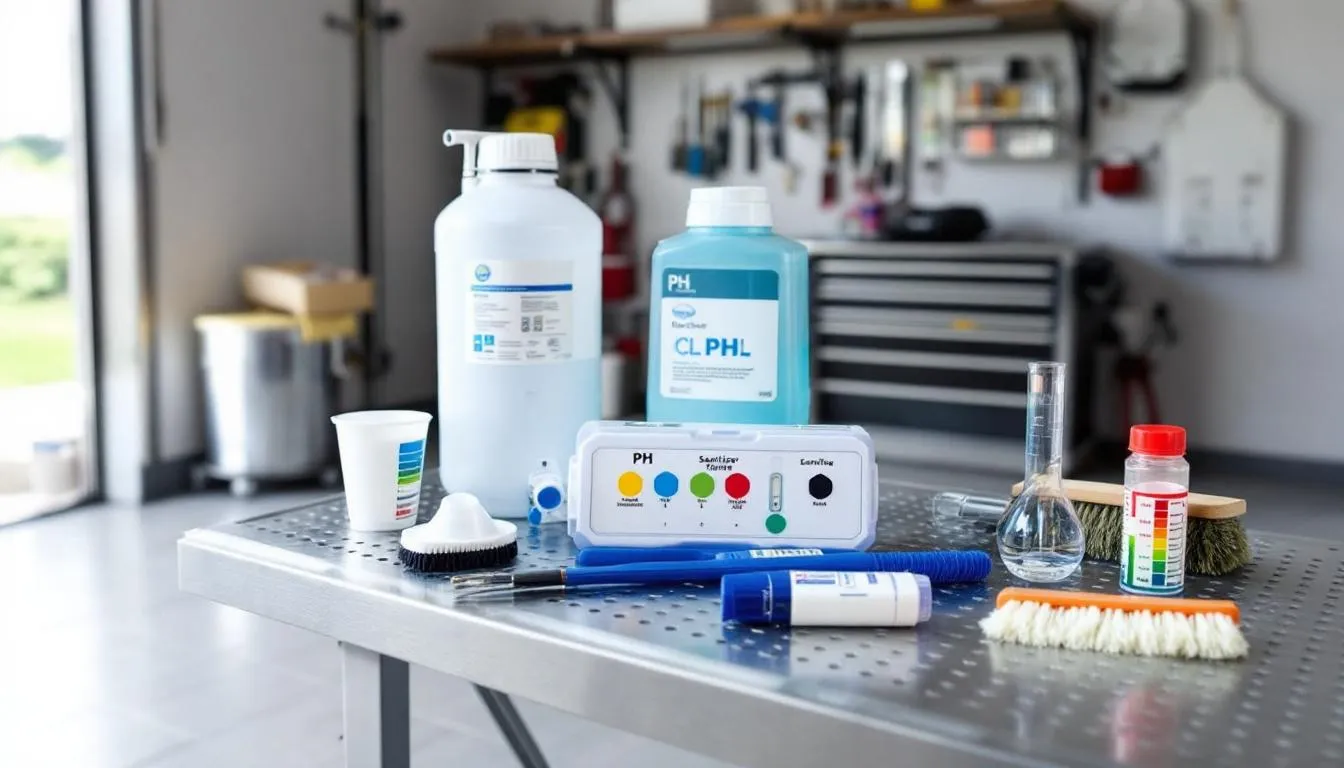
Accurate alkalinity testing forms the foundation of proper pool chemistry management, and choosing the right testing method can make the difference between consistent success and ongoing frustration. When testing, you are measuring the pool’s alkalinity level to ensure water balance and stability. Several testing options are available, each with distinct advantages and limitations that pool owners should understand.
Digital test kits and photometer devices provide the most accurate alkalinity measurements available for residential pool use. These instruments typically measure alkalinity within 5-10 ppm accuracy and eliminate the color-matching guesswork associated with traditional test kits. Professional pool services often use these devices for their reliability and precision.
Test strips offer convenient daily monitoring capabilities, though their accuracy for alkalinity measurements can vary significantly. Quality varies between manufacturers, and factors like strip age, storage conditions, and water temperature can affect results. Test strips work best for general monitoring rather than precise measurement before chemical adjustments.
Liquid reagent test kits, often called drop test kits, provide reliable alkalinity measurements when used correctly. These kits require counting drops of reagent until a color change occurs, with each drop representing a specific ppm increase. Though more time-consuming than test strips, drop test kits offer better accuracy for adjustment calculations.
Professional water testing at pool supply stores provides comprehensive analysis including alkalinity, ph level, chlorine, calcium hardness, and other parameters. Many stores offer this service free with chemical purchases and can provide expert interpretation of results. Weekly professional testing helps catch trends before they become problems.
Smart pool monitors represent the newest testing technology, providing continuous monitoring of multiple parameters including alkalinity. These devices can alert pool owners to chemistry changes via smartphone apps and some can even control automated chemical feeders. Though more expensive initially, they can significantly reduce maintenance time and chemical costs.
For most pool owners, testing alkalinity at least twice weekly provides adequate monitoring, though daily testing during problem periods or seasonal transitions may be necessary. Always test alkalinity before making pH adjustments, as proper pool’s alkalinity levels are essential for predictable pH control and consistent results.
How to Adjust Pool Alkalinity Levels
Adjusting pool alkalinity requires understanding both the chemistry involved and proper safety procedures for handling pool chemicals. The two main adjustment goals are to increase alkalinity when it is too low or lower alkalinity when it is too high. Whether you need to raise or lower your swimming pool’s total alkalinity, following proper techniques ensures effective results while protecting your pool surfaces and equipment.
Before making any alkalinity adjustments, ensure your pool’s circulation system is running properly and will remain on for several hours after chemical addition. This circulation helps distribute chemicals evenly and prevents localized chemical concentrations that could damage pool surfaces.
When dosing, always add chemicals in small amounts to ensure safety and accuracy. For example, soda ash can easily raise both pH and alkalinity levels in a controlled manner. After adding chemicals, allow at least one hour for proper mixing before retesting the water.
Always wear appropriate safety equipment including safety glasses and chemical-resistant gloves when handling pool chemicals. Keep emergency water sources nearby and never mix different chemicals together. Store all pool chemicals in their original containers away from heat sources and out of reach of children and pets.
Raising Pool Alkalinity
Sodium bicarbonate, commonly known as baking soda, is the most common way to raise pool alkalinity. This chemical specifically targets alkalinity with minimal impact on pH levels, making it ideal for situations where alkalinity is low but pH is acceptable.
Calculate the required amount of sodium bicarbonate using the general rule that 1.5 pounds per 10,000 gallons of pool water will raise total alkalinity by approximately 10 ppm. For example, if your 20,000-gallon swimming pool tests at 60 ppm and you want to reach 100 ppm, you would need 12 pounds of sodium bicarbonate (40 ppm increase ÷ 10 ppm per dose = 4 × 1.5 pounds = 6 × 2 = 12).
When adding baking soda, start by using half or three quarters of the calculated amount. Many pool owners prefer to begin with three quarters of the recommended dose, then add more as needed after retesting. This gradual approach helps avoid over-correction.
Dissolve the sodium bicarbonate in a bucket of pool water before adding it to your swimming pool. This pre-dissolution prevents the powder from settling on pool surfaces where it could cause temporary white spots or etching. Never add dry chemicals directly to your pool.
Pour the dissolved solution slowly around the pool perimeter while the circulation pump runs. Focus on areas with good water movement and avoid adding all the chemical in one location. This distribution method ensures even mixing and prevents localized chemical concentrations.
Wait at least 6-8 hours before retesting alkalinity levels, as full distribution and chemical reaction take time. Avoid swimming during this period and keep the circulation system running continuously. If levels remain below target after retesting, repeat the process by adding small amounts to fine-tune the results.
Lowering Pool Alkalinity
Muriatic acid (hydrochloric acid) provides the most effective method to lower alkalinity in pool water, though it requires careful handling due to its corrosive nature. This powerful chemical quickly lowers both alkalinity and pH, making it ideal for situations where both parameters need reduction.
Calculate muriatic acid dosage carefully, as this chemical can dramatically alter pool chemistry. Generally, one quart of muriatic acid per 10,000 gallons will lower total alkalinity by approximately 10 ppm, though this can vary based on your pool’s specific chemistry and buffering capacity.
Always add acid to water, never water to acid, to prevent dangerous chemical reactions and splashing. Pour the calculated amount of muriatic acid into a bucket of pool water, mixing slowly with a wooden or plastic stirrer. Never use metal tools when working with acid.
Add the diluted acid solution to the deep end of your swimming pool near return jets while the pump runs. The strong circulation in this area helps distribute the acid quickly and prevents it from settling on pool surfaces where it could cause etching or discoloration.
When dosing acid, add it in small amounts and test the water between additions to avoid overcorrecting. After each addition, wait at least four hours before retesting alkalinity and pH levels to ensure the chemicals have fully mixed and the results are accurate.
Monitor pH levels closely after acid addition, as muriatic acid lowers pH more than alkalinity. You may need to add soda ash to restore proper pH levels once alkalinity reaches the target range. This process often requires multiple small adjustments rather than single large doses.
Sodium bisulfate, also known as dry acid, offers a safer alternative to muriatic acid for modest alkalinity reductions. Though less potent than liquid acid, sodium bisulfate is easier to handle and poses fewer safety risks. Use approximately 1 pound per 10,000 gallons to reduce alkalinity by 10 ppm.
Relationship Between Alkalinity and Other Pool Chemicals
Understanding how pool alkalinity interacts with other pool chemicals helps pool owners maintain comprehensive water balance and avoid common chemistry mistakes. These chemical relationships explain why experienced pool professionals always adjust alkalinity before making other chemical corrections, as changes in alkalinity can significantly impact acidity and the overall water balance.
The relationship between alkalinity and pH represents the most critical interaction in pool chemistry. Proper alkalinity levels provide the buffering capacity necessary for stable pH control, while improper alkalinity makes pH adjustments unpredictable and temporary. This is why the industry standard sequence calls for correcting alkalinity first, then adjusting the pH level to the desired range.
Chlorine effectiveness depends heavily on stable pH levels, which in turn depend on proper alkalinity buffering. When alkalinity levels are correct, chlorine maintains consistent effectiveness as pH remains stable. Low alkalinity allows pH to fluctuate, causing chlorine efficiency to vary dramatically throughout the day due to changes in acidity.
Calcium hardness interacts with alkalinity through the Langelier Saturation Index, a calculation that predicts whether pool water will be corrosive or scaling. High alkalinity combined with high calcium hardness increases scaling potential, while low alkalinity with low calcium hardness increases corrosion risk. Balancing these factors prevents both equipment damage and surface problems.
Cyanuric acid, used as chlorine stabilizer, can affect alkalinity readings and pH stability. High cyanuric acid levels can create false alkalinity readings and make pH control more difficult. Pool owners using stabilized chlorine products like trichlor tablets should monitor both cyanuric acid and alkalinity levels regularly.
Total dissolved solids (TDS) accumulate as chemicals are added to adjust alkalinity and other parameters. High TDS levels can interfere with chemical effectiveness and make water balance more difficult to maintain. Regular water testing should include TDS monitoring, especially in pools requiring frequent chemical adjustments.
The proper sequence for chemical additions starts with alkalinity adjustment, followed by pH level correction, then calcium hardness if needed, and finally sanitizer adjustment. This sequence ensures each chemical works effectively and prevents the need for repeated adjustments that waste chemicals and create water balance problems.
Salt chlorine generators create unique alkalinity challenges because they gradually raise both pH and alkalinity through the electrolysis process. Pool owners with these systems should start with alkalinity levels in the lower portion of the recommended range and monitor weekly for gradual increases.
Alkalinity and Pool Equipment
Maintaining the right alkalinity levels is not just about water clarity and swimmer comfort—it’s also crucial for protecting your pool equipment. When alkalinity levels are too high, scaling can occur on pool surfaces, pumps, and filters, leading to reduced efficiency and costly repairs. On the other hand, low alkalinity creates a corrosive environment that can eat away at metal components, damage heaters, and shorten the lifespan of your pool’s circulation system.
Pool owners can prevent these problems by regularly testing alkalinity levels and keeping them within the ideal range of 80 to 120 ppm. Using a reliable testing kit makes it easy to monitor your pool’s chemistry and catch any imbalances before they cause damage. In addition to chemical adjustments, routine maintenance—such as cleaning and inspecting your pool equipment—helps ensure everything runs smoothly and extends the life of your investment.
By prioritizing alkalinity management, pool owners can avoid the headaches of scaling and corrosion, keep their pool equipment in top shape, and enjoy a worry-free swimming experience.
Maintaining Proper Pool Alkalinity
Successful long-term alkalinity management requires establishing consistent testing routines, understanding seasonal variations, and recognizing factors that commonly affect pool water chemistry. Monitoring alkaline levels is essential for maintaining proper pH balance and overall water quality. A proactive approach prevents problems before they develop and reduces overall maintenance time and costs.
Weekly testing provides the foundation for consistent alkalinity control in most residential swimming pools. Test alkalinity levels every 3-4 days during heavy use periods or when weather conditions cause rapid chemistry changes. Record test results in a logbook to identify patterns and anticipate seasonal adjustments, including tracking your pool’s alkalinity over time.
Seasonal factors significantly impact alkalinity stability throughout the pool season. Summer storms bring acidic rainwater that reduces alkalinity, while heavy bather loads introduce organic acids through perspiration and sunscreen. Spring and Fall bring pollen with other treed debris that can cause issues as well.
Bather load affects alkalinity through several mechanisms including organic acid introduction, pH-buffering chemical consumption, and dilution from splash-out and backwashing. High-use periods require more frequent testing and potentially higher alkalinity targets to maintain stability.
Environmental factors including rainfall, wind-blown debris, and local air quality all influence alkaline levels. Pools in areas with acidic soil or frequent storms may require more aggressive alkalinity management and should consider slightly higher target levels within the recommended range.
Chemical additions for other purposes can affect alkalinity levels significantly. Shock treatments, algaecides, and pH adjusters all interact with the alkalinity buffer system. Plan these treatments carefully and test alkalinity afterward to determine if corrections are needed, such as taking steps to increase alkalinity if levels drop too low.
Automated chemical feeders can help maintain consistent alkalinity when properly calibrated and monitored. These systems work best when alkalinity levels start within the proper range and water balance remains relatively stable. Regular calibration and manual testing ensure automated systems function correctly.
Professional maintenance services provide valuable support for pool owners struggling with persistent alkalinity problems. Monthly or bi-weekly professional visits can identify trends, perform comprehensive water analysis, and provide expert guidance on equipment or procedure improvements.
When to seek professional help includes situations where alkalinity levels consistently drift despite proper chemical additions, equipment shows signs of corrosion or scaling damage, or water clarity remains poor despite adequate sanitization. Professional diagnosis can identify underlying issues like equipment malfunctions or unusual water chemistry conditions.
Preventive maintenance strategies include maintaining proper circulation and filtration, keeping debris out of the pool, and addressing minor chemistry imbalances before they become major problems. Regular equipment inspection and timely repairs prevent conditions that make alkalinity control more difficult.
Record keeping helps identify successful strategies and avoid repeating past mistakes. Track test results, chemical additions, weather conditions, pool usage, and your pool’s alkalinity to develop insights into your pool’s specific chemistry patterns and requirements.
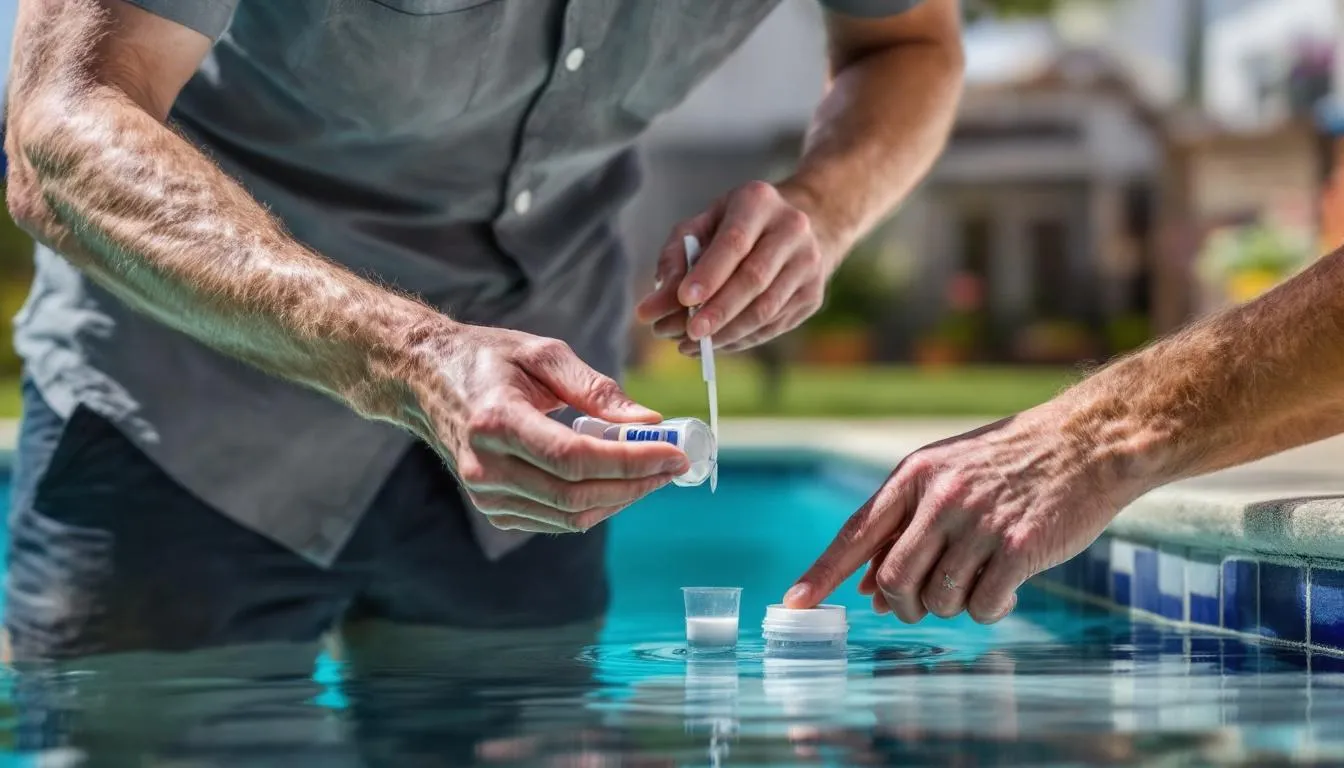
Swimming pool alkalinity serves as the cornerstone of effective pool chemistry management, providing the buffering capacity essential for stable pH levels, equipment protection, and swimmer comfort. Understanding what alkalinity is and how it functions empowers pool owners to maintain crystal-clear, balanced pool water while avoiding costly problems from chemical imbalances.
The key to successful alkalinity management lies in consistent testing, proper chemical application techniques, and understanding the relationships between alkalinity and other pool chemistry factors. Whether you’re raising alkalinity with sodium bicarbonate or lowering it with muriatic acid, following proven procedures ensures safe, effective results.
Remember that alkalinity adjustment is typically the first step in any pool chemistry correction sequence. Once alkalinity levels stabilize, pH control becomes predictable, chlorine effectiveness improves, and overall pool maintenance becomes significantly easier.
Monitor your swimming pool’s alkalinity regularly, maintain detailed records of test results and chemical additions, and don’t hesitate to seek professional guidance when facing persistent chemistry challenges. With proper attention to alkalinity management, your pool will provide years of clear, comfortable, and safe swimming enjoyment for you and your family.
Conclusion
In conclusion, pool alkalinity is a vital part of swimming pool maintenance that should never be overlooked. By understanding the causes of imbalance, recognizing how alkalinity affects pool equipment, and following best practices for management, pool owners can keep their swimming pools in top condition. Regular testing, careful use of chemicals like sodium bicarbonate and muriatic acid, and ongoing equipment maintenance are the keys to maintaining proper alkalinity levels.
Staying on top of your pool’s alkalinity helps prevent negative effects such as corrosion, scaling, and cloudy water, while also extending the life of your pool equipment. With a little attention and the right approach, you can enjoy a sparkling, safe, and inviting swimming pool all season long.